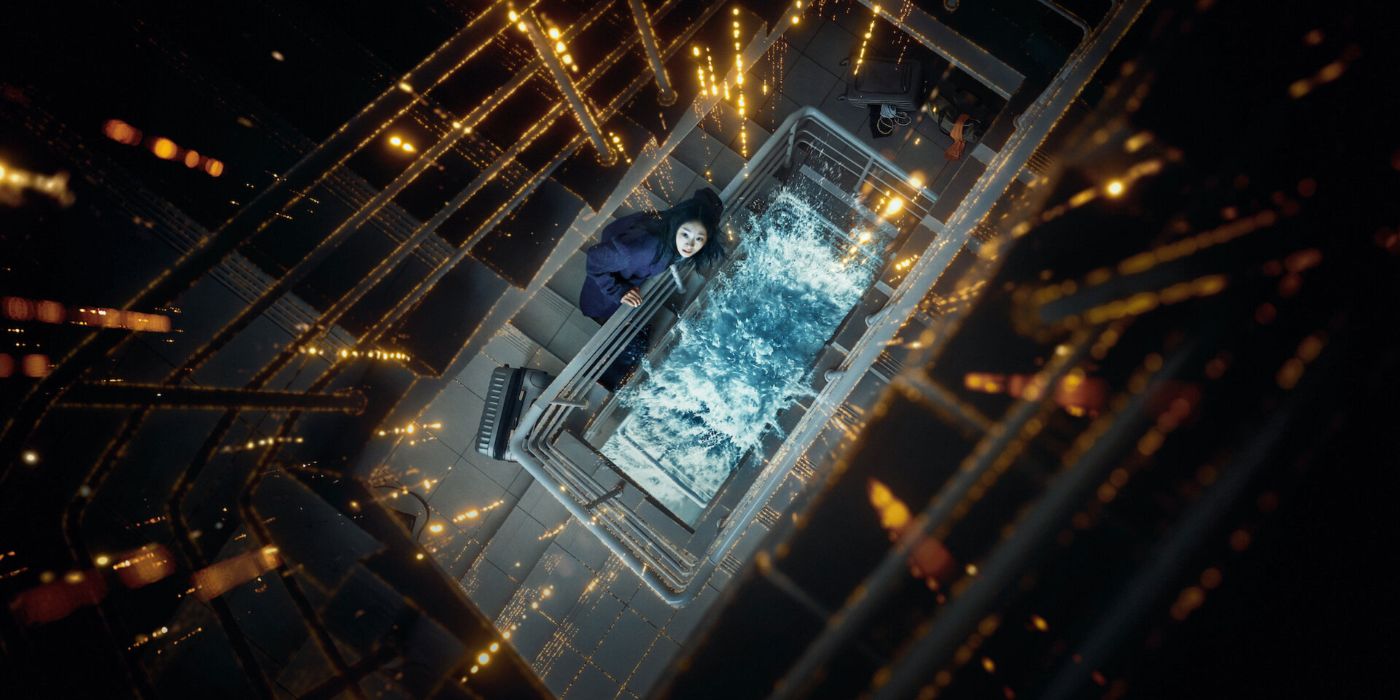

Forgotten Island; When Growing Up Means Growing Apart
Produced by DreamWorks Animation and distributed by Universal Pictures, Forgotten Island is an animated fantasy adventure inspired by Philippine mythology. Set in the Philippines during the 1990s, it follows best friends Jo and Raissa after they become trapped in the mystical world of Nakali, a place filled with creatures drawn from the stories they heard growing up.
Jo and Raissa have been inseparable since childhood. Jo is rebellious, imaginative, and emotionally impulsive, while Raissa is disciplined, intellectually gifted, and determined to pursue a future in science.
Their differences make the friendship work. Jo gives Raissa the courage to break away from expectations, while Raissa provides the stability Jo has rarely experienced elsewhere. Their bond becomes even more important after Jo loses her grandmother, Lola Fatima, the woman who introduced her to the legends surrounding Nakali.
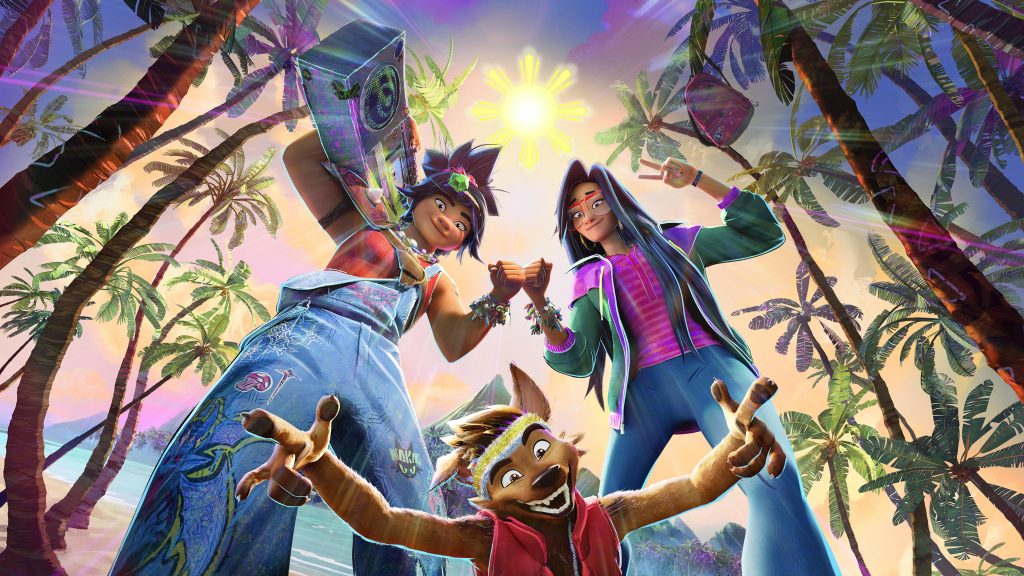
The friendship begins to fracture when Raissa reveals that she will leave the Philippines to study at Caltech in the United States. Jo knows this is an extraordinary opportunity, but she cannot separate Raissa’s success from her own fear of abandonment.
During their final night together, the two friends discover a magical sand dollar that opens a portal to Nakali. They awaken in its strange wilderness with incomplete memories of the previous night and no obvious way home. Their only possible escape may require them to surrender the shared memories that made them who they are.
That emotional premise gives Forgotten Island significantly more weight than its colorful appearance initially suggests. This is not simply a story about two teenagers trying to escape a magical world. It is about the painful realization that loving someone does not give you ownership over their future.
Philippine Mythology Becomes a Living World
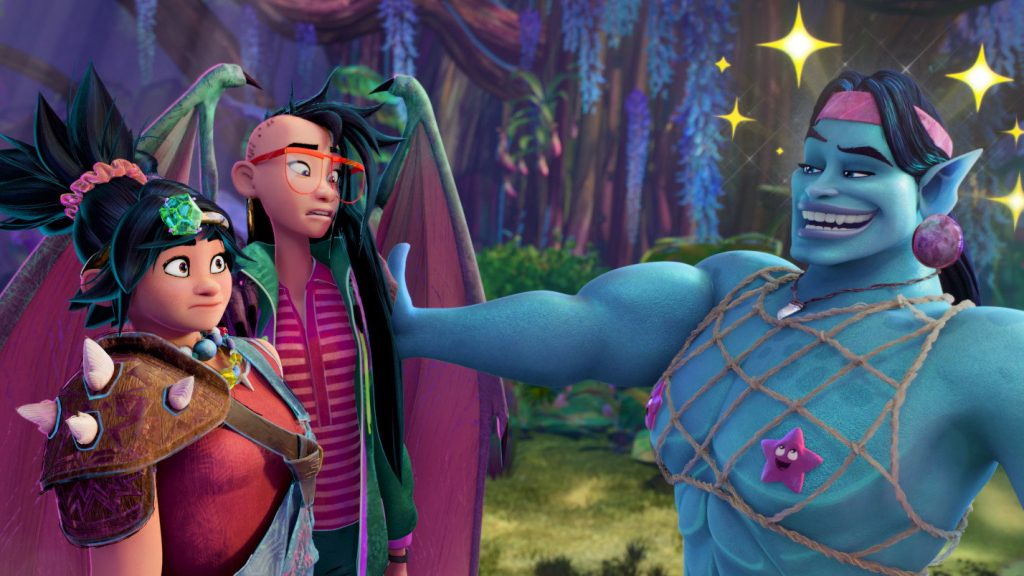
Nakali is packed with beings inspired by Philippine folklore, including the manananggal, tiyanak, batibat, kapre, duwende, kataw, and a were-aspin. Instead of treating these creatures as decorative references, the film gives them personalities, communities, motivations, and places within the island’s ecosystem.
Manang, voiced by Lea Salonga, is based on the manananggal, one of the most recognizable creatures in Philippine mythology. Her bat-like wings, divided silhouette, and predatory presence allow the film to retain an element of genuine danger without becoming too frightening for its family audience.
Bungi, voiced by Manny Jacinto, draws from the tiyanak, traditionally portrayed as a dangerous infant-like creature. Datu leads a kapre community, while Truffle Wuffle rules the duwende. Mermahn represents the kataw, and Raww is imagined as an unlucky but lovable were-aspin, connecting a fantasy archetype with the native dogs commonly associated with the Philippines.
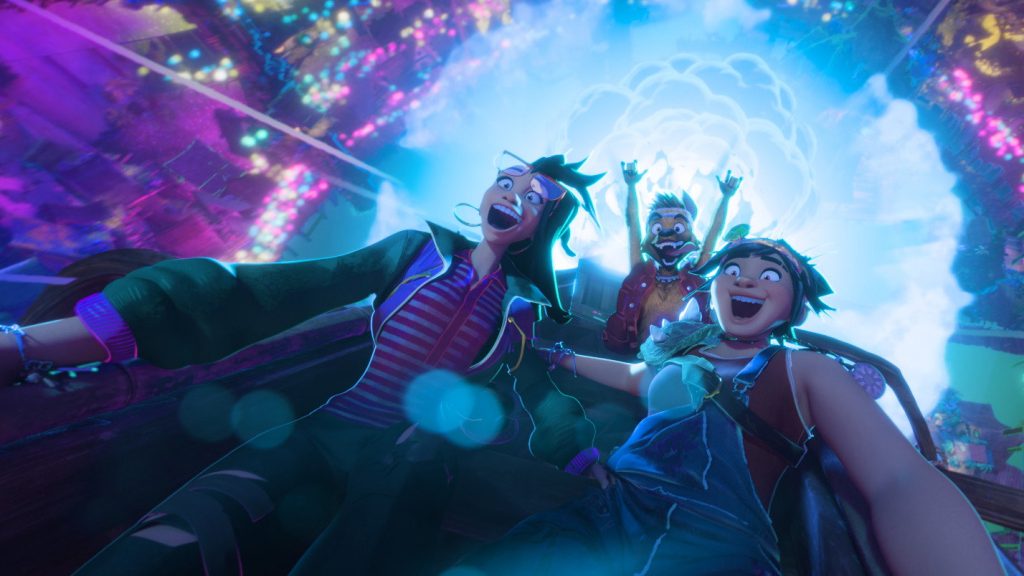
The film’s strongest cultural achievement is that these elements do not feel inserted for recognition alone. Nakali functions as a coherent world in which folklore has continued to evolve rather than remaining frozen as a museum exhibit.
For international audiences, the film offers an accessible introduction to these traditions. Filipino viewers, meanwhile, will likely recognize additional details in the food, language, family dynamics, music, social gatherings, and background design.
The cultural information never feels like a lecture because it is connected directly to Jo and Raissa’s experiences. As critic Matt Zoller Seitz observed, the film allows viewers to learn about Filipino culture without feeling as though they are being taught a lesson, since the references emerge naturally through the characters and their journey.
The Friendship Is More Important Than the Adventure
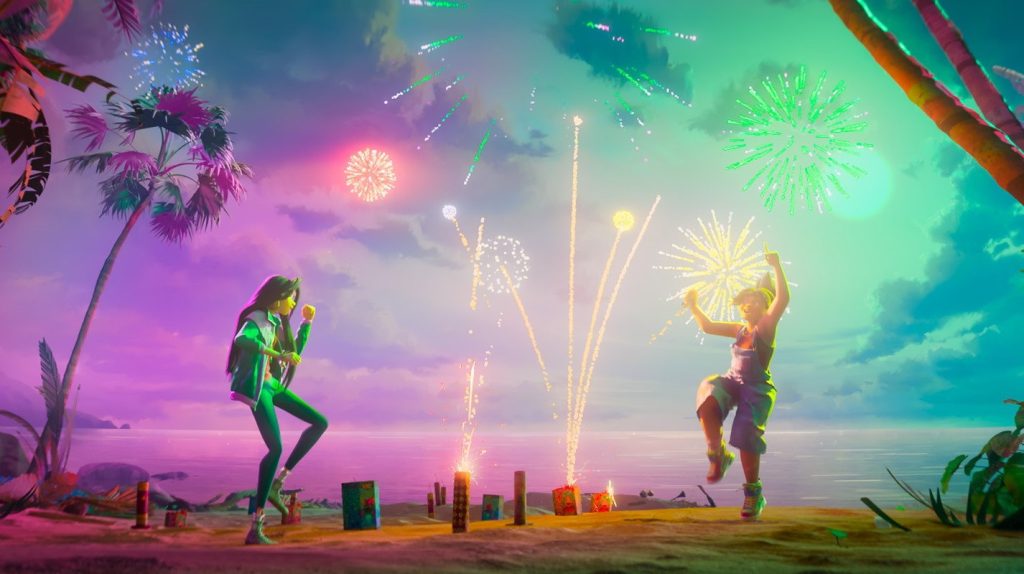
The relationship between Jo and Raissa is the real foundation of Forgotten Island. Nakali may be filled with monsters and magical societies, but the most consequential threat is the resentment growing between the two friends.
Jo interprets Raissa’s departure as rejection. She has already lost Lola Fatima, and the possibility of losing another person she loves activates the same fear. Instead of expressing that fear honestly, she attempts to delay change and hold on to the version of their friendship that feels safe.
Raissa has a different problem. She loves Jo, but she also wants a future that cannot be built by remaining in the same place forever. She resents being made to feel guilty for pursuing an opportunity she has earned.
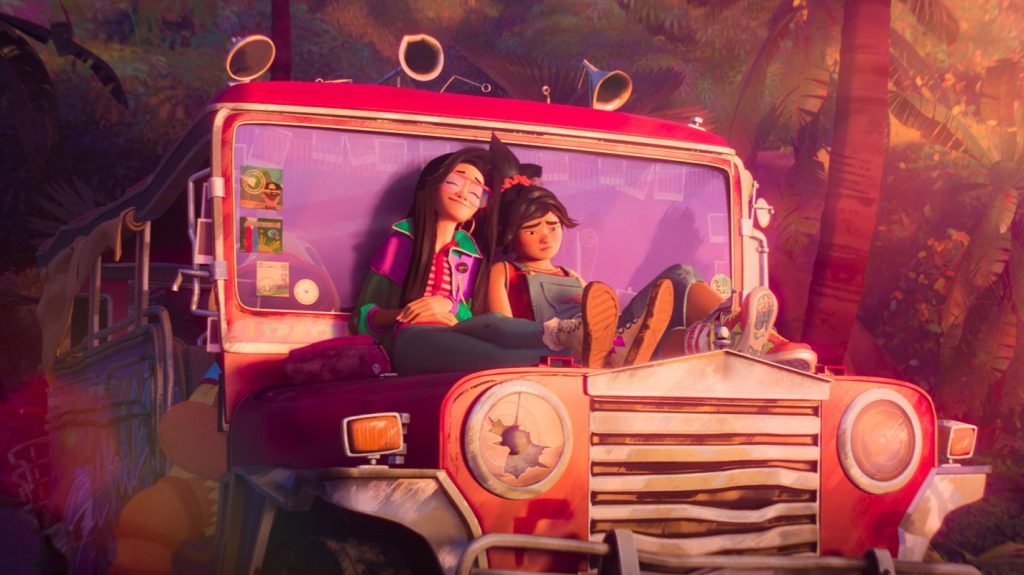
The film deserves credit for not simplifying this disagreement into a choice between a good friend and a selfish one. Jo’s fear is understandable, but some of her decisions are controlling. Raissa’s frustration is valid, but her ambition does not eliminate the emotional consequences of leaving.
Their conflicting perspectives give the story unusual maturity. Many family films describe friendship as a bond that survives because nothing changes. Forgotten Island argues that a meaningful friendship survives only when both people make room for change.
H.E.R. and Liza Soberano Create a Believable Bond
H.E.R. voices Jo with a mixture of confidence and emotional defensiveness. Jo can be loud, funny, and adventurous, but those qualities often mask her insecurity. The performance becomes especially effective when Jo’s humor stops working and she is forced to admit what she fears losing.
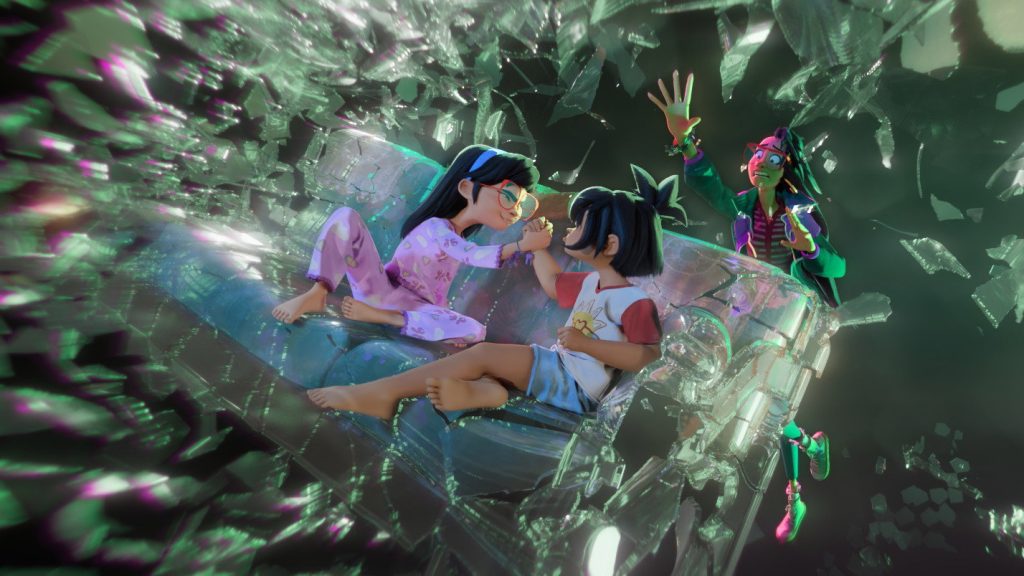
Liza Soberano brings a more measured energy to Raissa. Her character is intelligent and ambitious, but never emotionally distant. The performance communicates that Raissa’s frustration comes from being forced to defend a decision that should have been celebrated.
Their voices complement the characters’ opposing personalities. More importantly, their arguments sound like conflicts between people who know exactly where to hurt each other because they have spent years building trust.
Dave Franco supplies much of the broad comedy as Raww, the centuries-old were-dog who becomes their guide. His eagerness to belong gives the character more emotional purpose than the usual animated sidekick. Jenny Slate makes Batiba eccentric and amusing without completely hiding the loneliness behind her behavior.
Dolly de Leon gives Lola Fatima the warmth required to remain emotionally present even after the story moves into Nakali. Her stories establish a bridge between family memory and folklore, showing how mythology survives when one generation chooses to share it with the next.
A Visually Restless and Beautiful Animated World
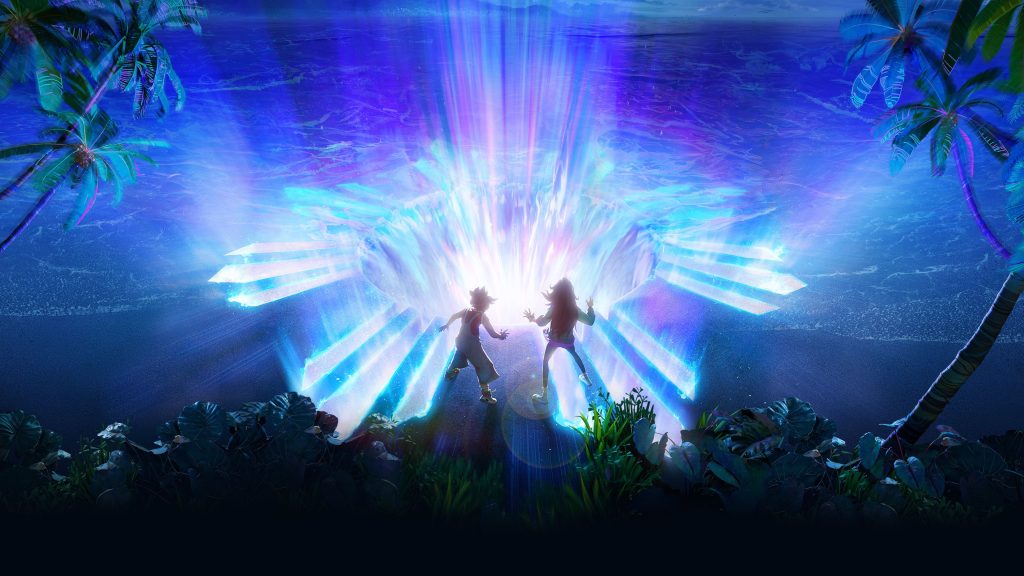
The visual identity of Forgotten Island is one of its greatest strengths. Its primary computer-generated animation is complemented by 2D passages influenced by anime and 1990s graphic design. Different characters remember events through different visual languages, allowing the animation itself to reflect the unreliable and personal nature of memory.
The filmmakers cited series such as Dragon Ball Z and Sailor Moon, as well as Street Fighter, as references for these sequences. The 2D sections were animated by the Manila-based Snipple Animation, acknowledging the Philippines’ long history as an important production center for international animation. Sony Pictures Imageworks also assisted on selected shots.
Nakali is presented through saturated colors, rapidly shifting textures, expressive action, and designs that move comfortably between adorable and unsettling. The film occasionally feels visually overcrowded, but that excess suits a realm constructed from stories, memories, and childhood imagination.
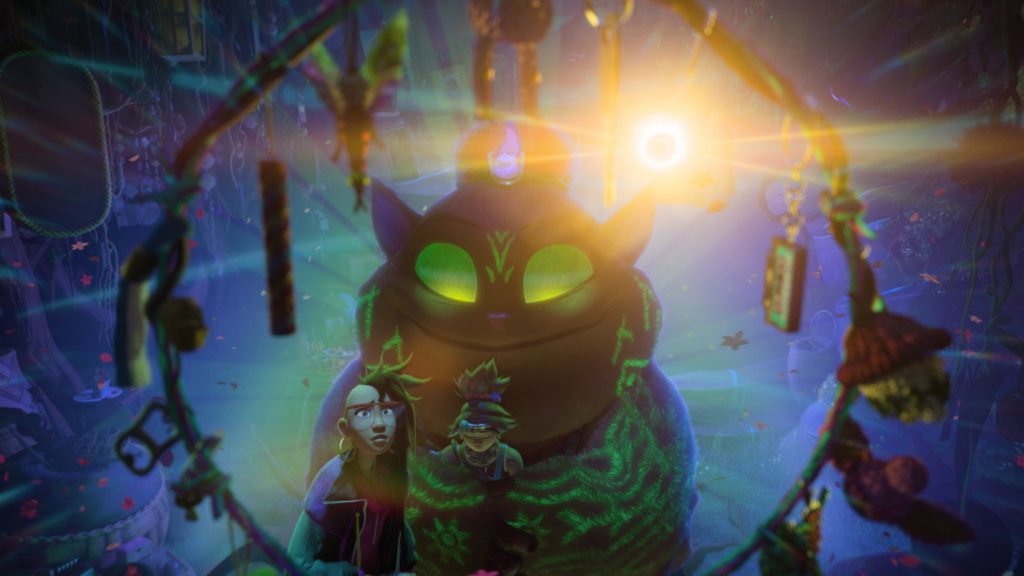
The influence of Puss in Boots: The Last Wish is visible in the stylized frame rates, painterly environments, and willingness to shift techniques according to emotion. That connection is unsurprising because Joel Crawford directed both films, while Januel Mercado worked on both productions.
However, Forgotten Island does not simply copy that earlier film. Its Filipino artistic foundation, 1990s design cues, and memory-based transitions give it an identity of its own.
Its Biggest Weakness Is Narrative Overload
Forgotten Island contains enough ideas for several movies. It introduces Jo and Raissa’s childhood, Lola Fatima’s stories, the conflict over college, a memory mystery, several mythological communities, multiple betrayals, a magical artifact, and an expanding group of side characters.
The energy is frequently exhilarating, but the story can become crowded. New creatures and locations arrive so quickly that some are reduced to brief comic functions. A few emotional revelations also compete with action sequences when they deserve more time to breathe.
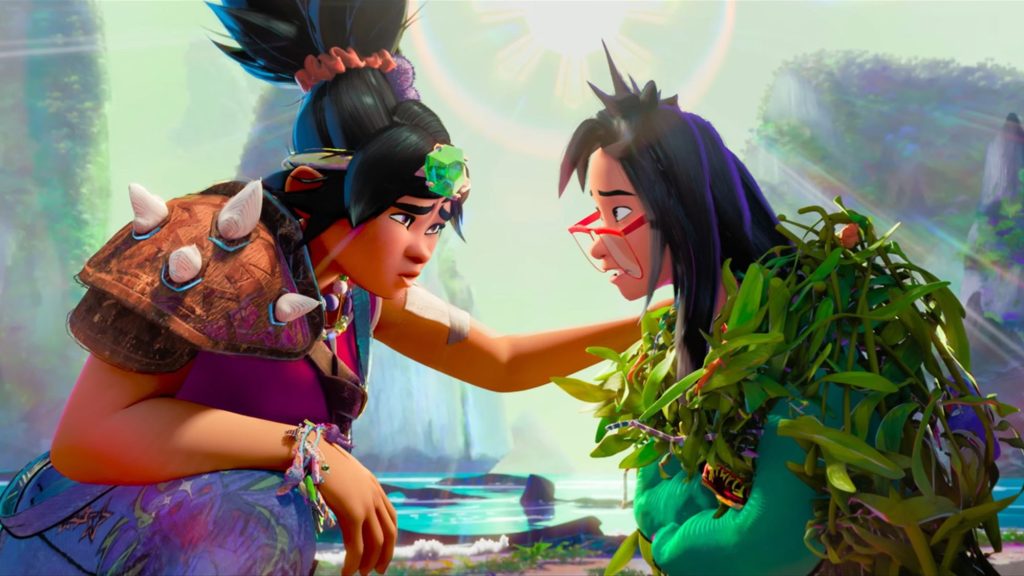
Raww, Batiba, Manang, and Bungi each contain enough material for deeper development. Yet the film must keep returning to Jo and Raissa, meaning the supporting characters occasionally feel like concepts waiting for a future spin-off.
The middle section is especially busy. The characters move among marketplaces, villages, caves, and hidden kingdoms while recovering fragmented information about what occurred the previous night. The mystery is clever, but constantly adding new world-building details makes the central objective temporarily difficult to follow.
Fortunately, the final act returns its attention to the friendship. Once the spectacle becomes secondary to Jo and Raissa’s emotional choices, the film regains its strongest voice.
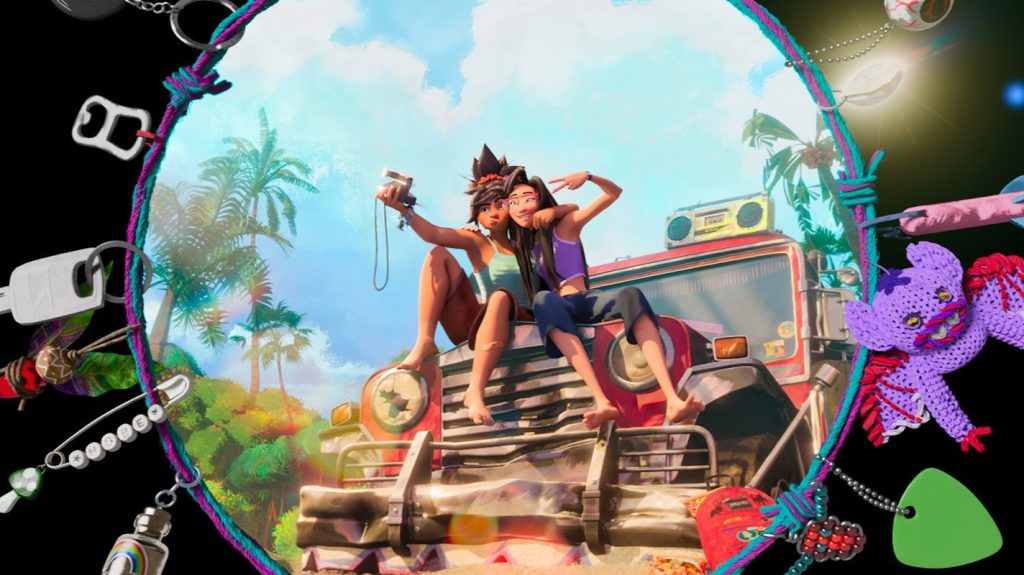
Forgotten Island is a visually ambitious and emotionally sincere fantasy that turns Philippine folklore into the foundation of a major animated adventure.
Its colorful creatures, dynamic animation, and energetic humor make it approachable for younger viewers, but the film’s real strength lies in its understanding of friendship. Jo and Raissa do not need to defeat change. They need to accept that growing in different directions does not erase what they gave each other.
The narrative occasionally becomes overloaded with characters, locations, and mythology. Some supporting figures deserve more development, while the middle act can feel more complicated than necessary. Yet the emotional core remains strong enough to guide the film back whenever its world-building threatens to overwhelm it.
By connecting memory with identity, Forgotten Island delivers a meaningful message without reducing it to a simple lesson. The memories that hurt us are often inseparable from those that helped create us. Letting someone leave is not the same as forgetting them.