

Send Help, Survival Turns Brutal When Humanity Starts to Break
Survival thrillers often rely on isolation, fear, and human instinct, but Send Help takes it a step further by exploring how human behavior can completely shift under pressure.
Directed by Sam Raimi, this film blends survival tension with psychological conflict, resulting in a story that feels both intense and disturbingly relatable.

The film follows a female employee and her deeply unpleasant boss who become the only survivors of a plane crash, stranded on a deserted island in the middle of the ocean.
At first, survival seems like the main challenge. But quickly, the real conflict emerges, not from nature, but from their toxic past relationship.
They are forced to cooperate, rely on each other, and suppress their resentment. But as time passes, tension grows. The line between survival and dominance begins to blur. And what starts as a fight to stay alive slowly becomes something much darker.
A Story About Bullying and Human Transformation

At its core, Send Help is not just a survival story; it’s about how people change when pushed too far. The dynamic between the two leads reflects a harsh reality: kindness can be exploited, patience can be mistaken for weakness, and help can be taken for granted.
The film explores bullying in a subtle but effective way. The boss character represents toxic authority, while the employee initially embodies restraint and tolerance.
But here’s where things get interesting. As the story unfolds, the “victim” begins to change.
When Good Turns Dangerous
One of the strongest themes in the film is how environment shapes behavior. The longer they remain stranded: the more desperate they become, the more unstable their emotions get, and the more their personalities shift
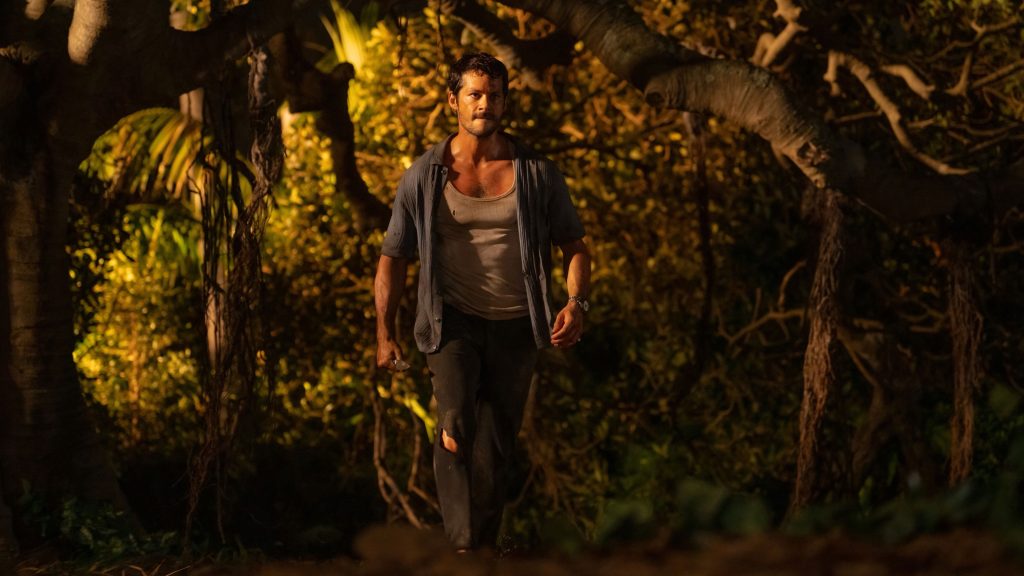
The film makes a bold statement: Even the kindest person can become dangerous when pushed beyond their limits. This transformation feels unsettling because it’s believable.
By the end, you may find yourself questioning: who is right? who is wrong? And whether survival justifies cruelty
One of the most interesting aspects of Send Help is how it handles emotional payoff. The story suggests hope, after all, it’s about survival and rescue. But emotionally, it takes a darker turn.
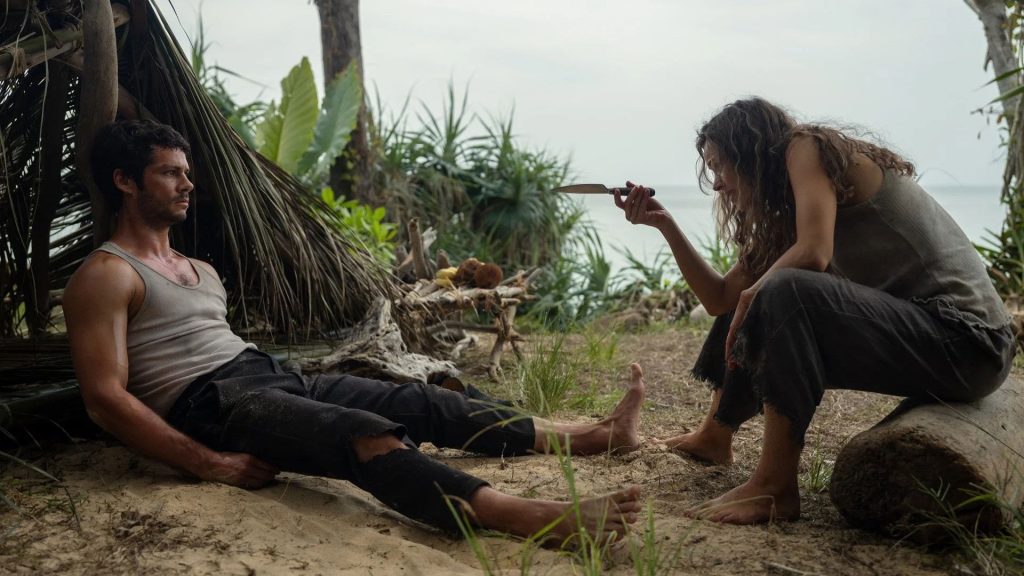
The main character may survive, but at what cost?
By the end; she’s no longer the same person, her morality is blurred, and her actions may feel justified… but also disturbing.
It leaves you with a lingering thought: When help is not appreciated, does humanity start to fade?
Female Strength in a Survival Narrative

Another standout element is how the film portrays female strength. The main character starts off as soft-spoken and patient, but gradually becomes more assertive, even dominant.
This isn’t presented as a cliché “strong female lead,” but rather as a natural evolution shaped by trauma and survival instinct.
Her journey is empowering, disturbing, and emotionally layered. She doesn’t just survive, she adapts. And in doing so, she may become something even more dangerous than her oppressor.
Visuals and Atmosphere: More Audio Than CGI

From a technical standpoint, Send Help doesn’t rely heavily on flashy CGI. Instead, it builds tension through sound design, environmental atmosphere, and isolation.
The ocean setting plays a huge role. The vast, empty sea creates a sense of loneliness, helplessness, and psychological pressure.
Storm sounds, crashing waves, and silence between dialogues amplify the emotional weight of each scene. While the CGI is minimal, the audio experience makes everything feel more intense and immersive.
The island itself is visually appealing clear blue waters, open skies, untouched nature. But that beauty quickly becomes deceptive. The same environment that looks peaceful becomes isolating, dangerous, and unforgiving. This contrast adds depth to the film’s atmosphere.
Emotional Impact: Frustrating but Thought-Provoking
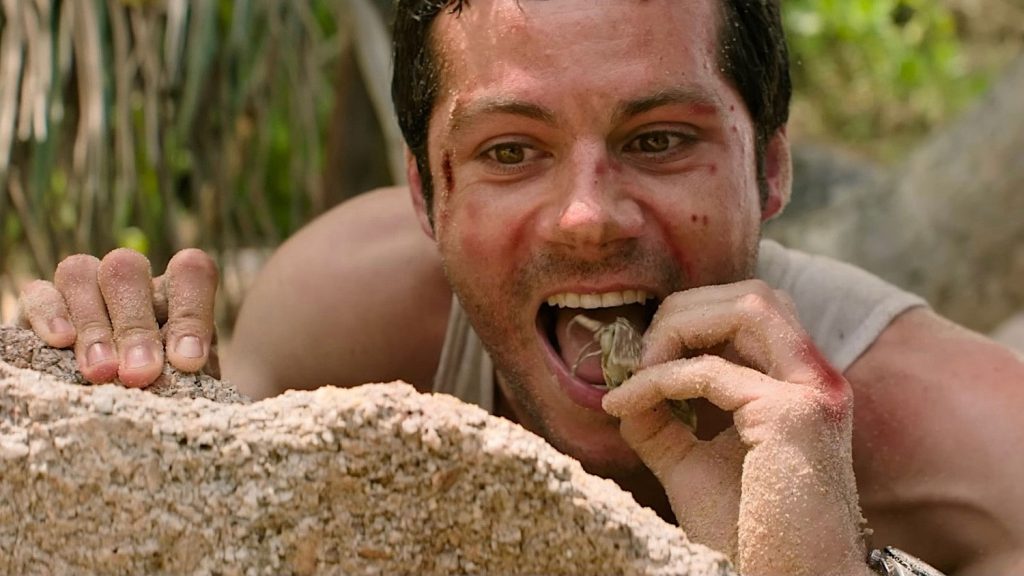
Send Help (2026) is a survival thriller that goes beyond physical danger and dives deep into psychological transformation and human behavior.
Strengths: unique focus on emotional conflict, strong character evolution, immersive sound design, thought-provoking themes
Weaknesses: Limited action for those expecting a typical survival blockbuster, slow pacing in certain parts, morally unsettling ending that may not satisfy everyone.
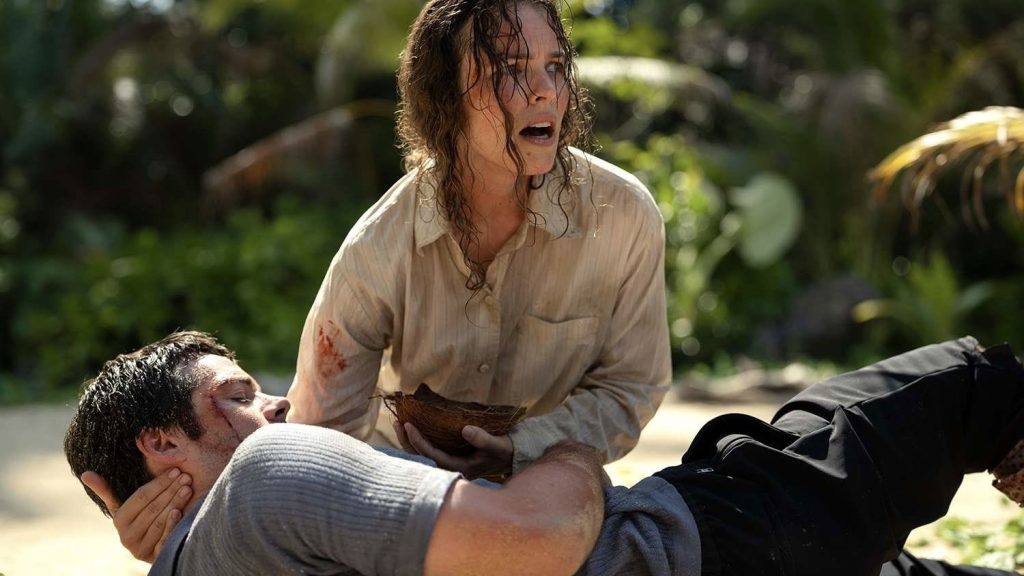
If you’re expecting a straightforward survival movie, Send Help might surprise you. This is not just about escaping an island. It’s about what happens when people stop being human to survive.
It’s engaging, uncomfortable, and deeply reflective. And by the time it ends, you won’t just be thinking about survival, you’ll be thinking about how fragile human nature really is.