

The Hunger Games: Sunrise on the Reaping Review: Haymitch’s Tragic Origin Story That Will Break Your Heart
The Hunger Games: Sunrise on the Reaping proves Capitol cruelty knows no bounds. Director Francis Lawrence pulls us back twenty-four years into Panem for the infamous 50th Hunger Games, where each district was forced to send twice the usual slaughter count.
Four young tributes from District 12 are dragged into an arena designed as a lethal trap. At the center of this bloodbath is sixteen-year-old Haymitch Abernathy, fighting not just for survival but against the entire rigged system.

The narrative dives straight into the mechanics of authoritarian control and early underground defiance. You will find yourself glued to your seat as youthful hope clashes against state-sponsored execution.
Capturing the Soul of Young Haymitch
Stepping into the shoes of a franchise icon like Woody Harrelson is a terrifying task for any rising actor. Yet Joseph Zada delivers a tour-de-force performance, portraying young Haymitch as a warm boy before trauma breaks his spirit.
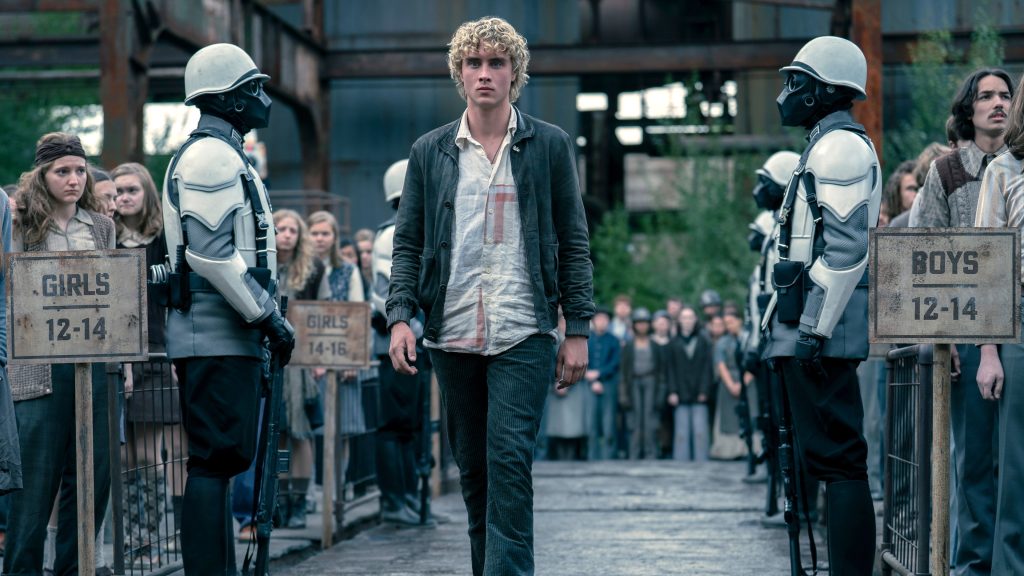
Watching his infectious smile slowly dissolve beneath layers of devastating loss explains why the older mentor became an emotionally detached drunkard. Zada balances raw physical vulnerability with a razor-sharp tactical intellect that keeps the character deeply compelling.
His devastating emotional spiral will leave you completely heartbroken by the time the credits roll. It is a star-making portrayal that honors the original films while expanding Haymitch’s lore in profound ways.
Mckenna Grace and the Stellar Ensemble: Heartbreak Across District 12

The supporting cast elevates this dystopian tragedy into something genuinely unforgettable. Mckenna Grace delivers an extraordinary dual turn as twin sisters Merrilee and Maysilee Donner, capturing both gentle warmth and fierce defiance.
Her stubborn alliance with Haymitch inside the arena provides the story with its beating moral heart. Alongside them, Ben Wang grounds Wyatt Callow with a quiet, lingering dignity that resonates long after his scenes end.

Meanwhile, Ralph Fiennes brings a chilling menace to President Coriolanus Snow that contrasts sharply with Jesse Plemons‘ calculated early moves as Plutarch Heavensbee. Even Elle Fanning‘s brief appearance as a younger, earnest Effie Trinket adds surprising layers of emotional sincerity to Capitol society.
Gorgeous Visuals Clashing with Deadly Audio
The 50th arena is visually stunning, designed as a massive blooming floral meadow that masks lethal poison and mutated horrors. Cinematographer Jo Willems creates a striking contrast between vibrant natural beauty and stomach-churning carnage.

Every flower petal and shimmering stream hides a lethal biological weapon waiting to strike down unsuspecting teens. The sound design amplifies this dread with ear-splitting cannon blasts, crisp weapon strikes, and an eerie environmental stillness.
Composer James Newton Howard returns with a haunting orchestral score that masterfully ratchets up suspense during desperate skirmishes. This technical brilliance ensures the arena sequences feel immersive, terrifying, and impossible to turn away from.
A Packed Story Yearning for an Extended Cut

While the film moves with relentless momentum, cramming Suzanne Collins’ dense novel into a standard theatrical runtime creates noticeable narrative compression. Key book details and quieter survival moments between Haymitch and Maysilee inevitably feel trimmed to prioritize the main escape set pieces.
Certain tributes and secondary relationships deserved more breathing room to let their tragic bonds sink in deeper. A three-hour extended cut would have allowed this sweeping political and human drama to breathe much more naturally.
Nonetheless, the streamlined pacing never derails the central emotional trajectory. The action set pieces are executed with razor-sharp urgency that keeps the overarching rebellion thriller fiercely engaging throughout.
The Heart-Wrenching Climax

The film reaches a breathtaking crescendo when Haymitch exploits the arena’s force field to turn the Capitol’s own weapon against his final opponent. His refusal to play by their rules marks a pivotal spark of resistance that echoes across Panem’s history.
Yet victory in the Hunger Games is merely a prolonged death sentence disguised as survival. The devastating retribution Snow exacts against Haymitch’s loved ones delivers a gut punch that redefines the entire franchise’s stakes.
The brief epilogue bridging his lonely quarter-century wait with Katniss and Peeta’s eventual triumph offers hard-earned closure. Seeing his long, silent agony finally rewarded brings a cathartic sense of peace to a deeply tortured hero.
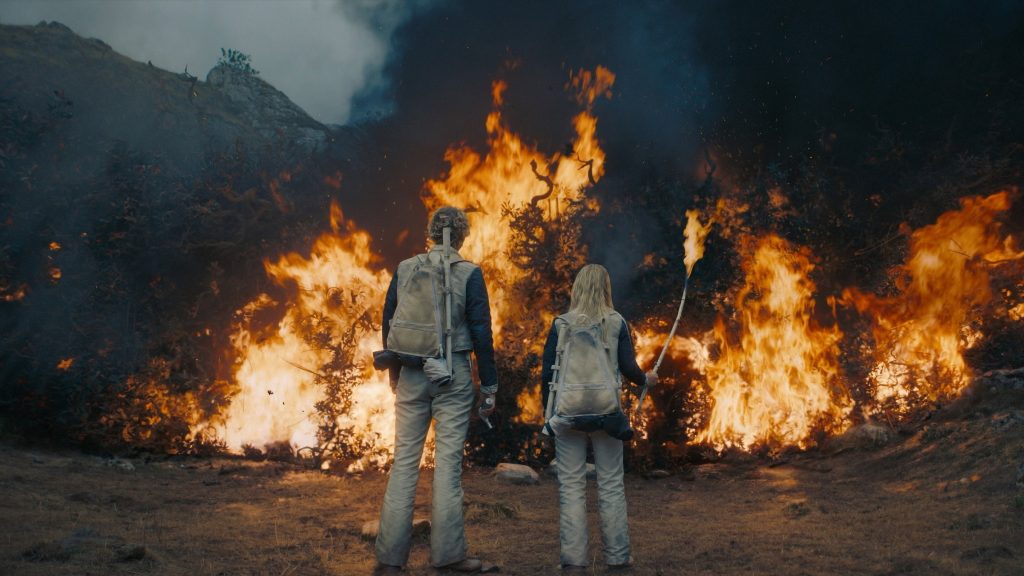
The Hunger Games: Sunrise on the Reaping stands tall as one of the most powerful, heart-rending entries in the entire cinematic saga. With incredible lead performances, breathtaking visuals, and deeply relevant political themes, it delivers everything dystopian fans crave.